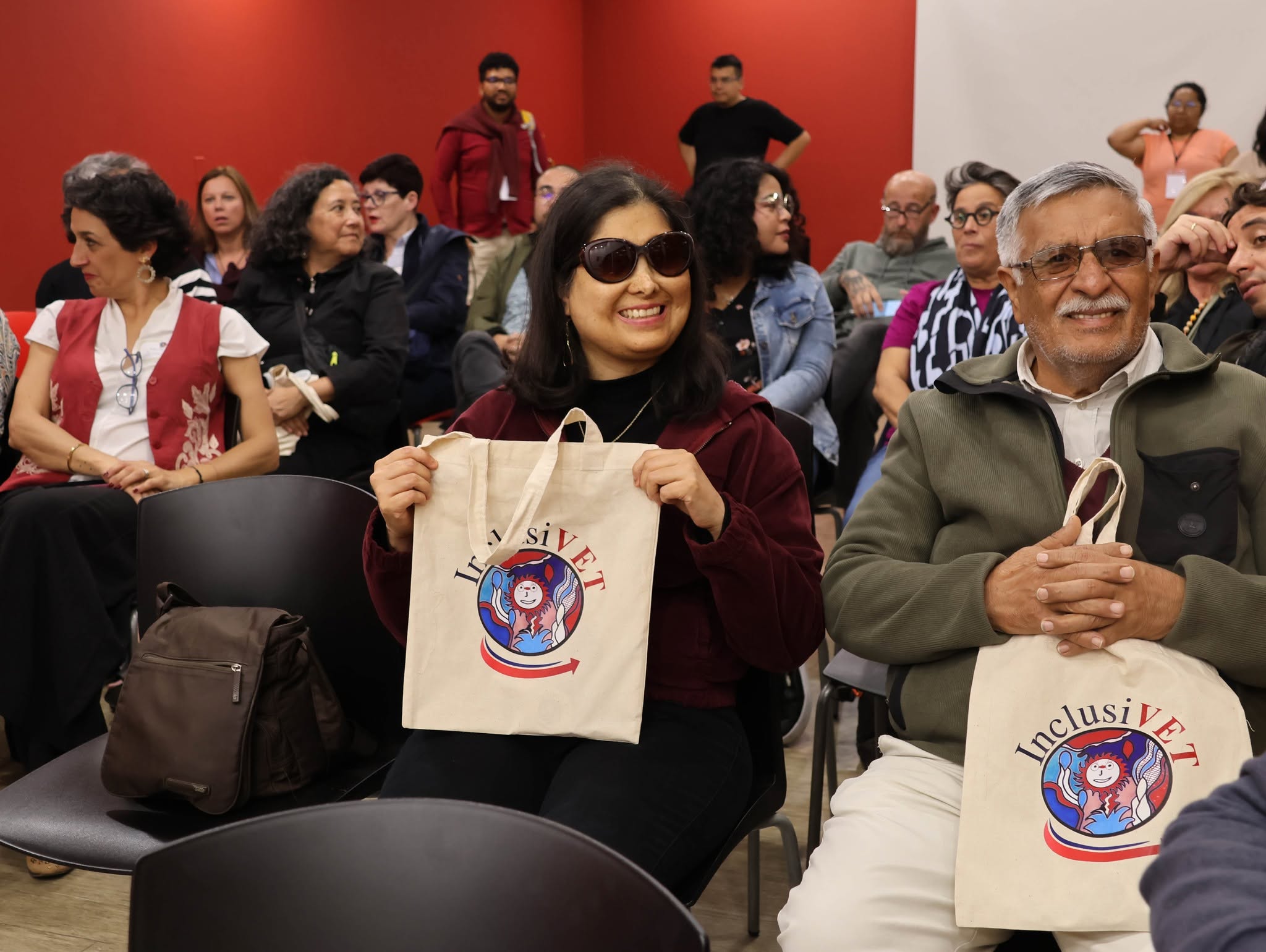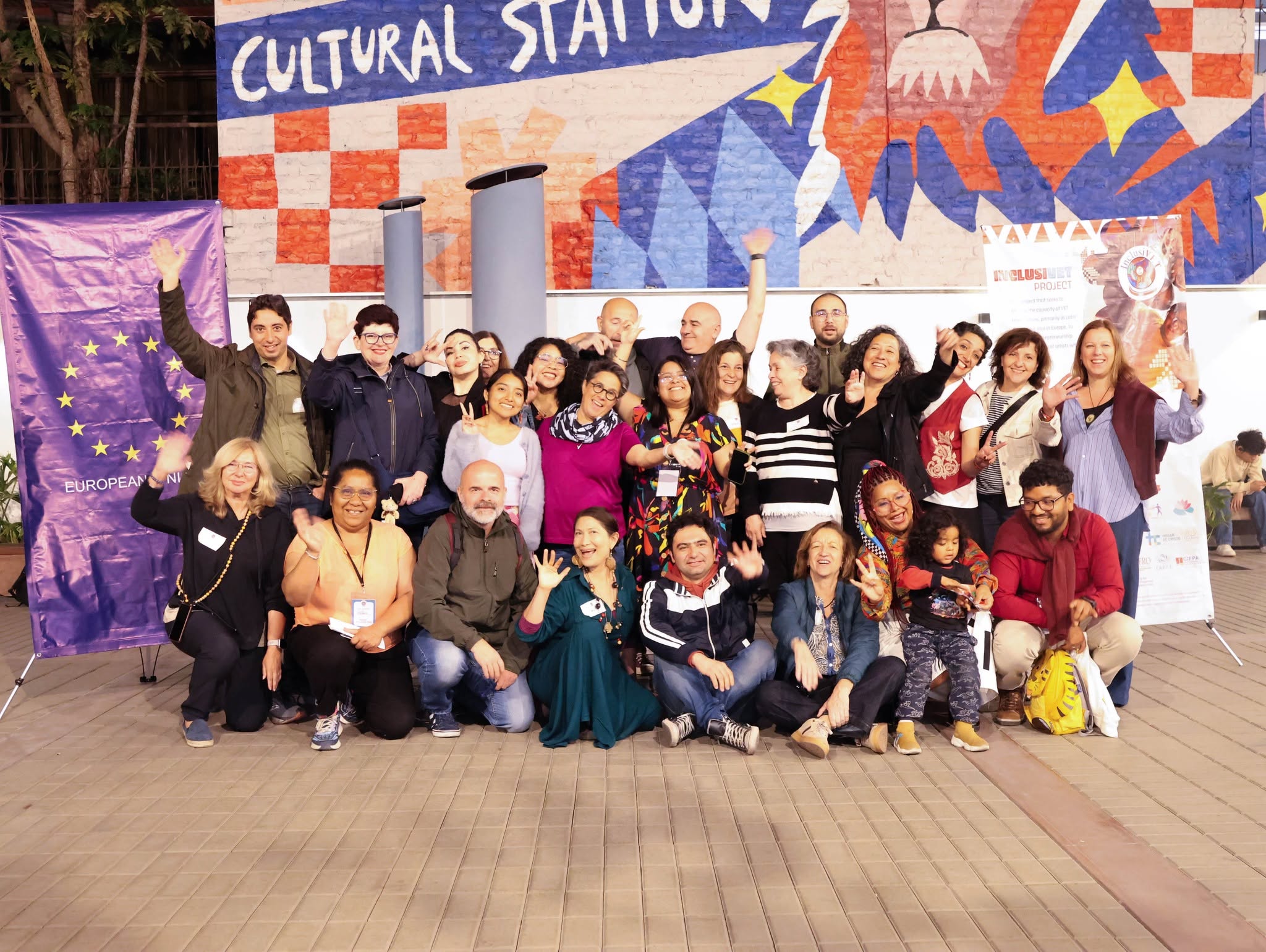
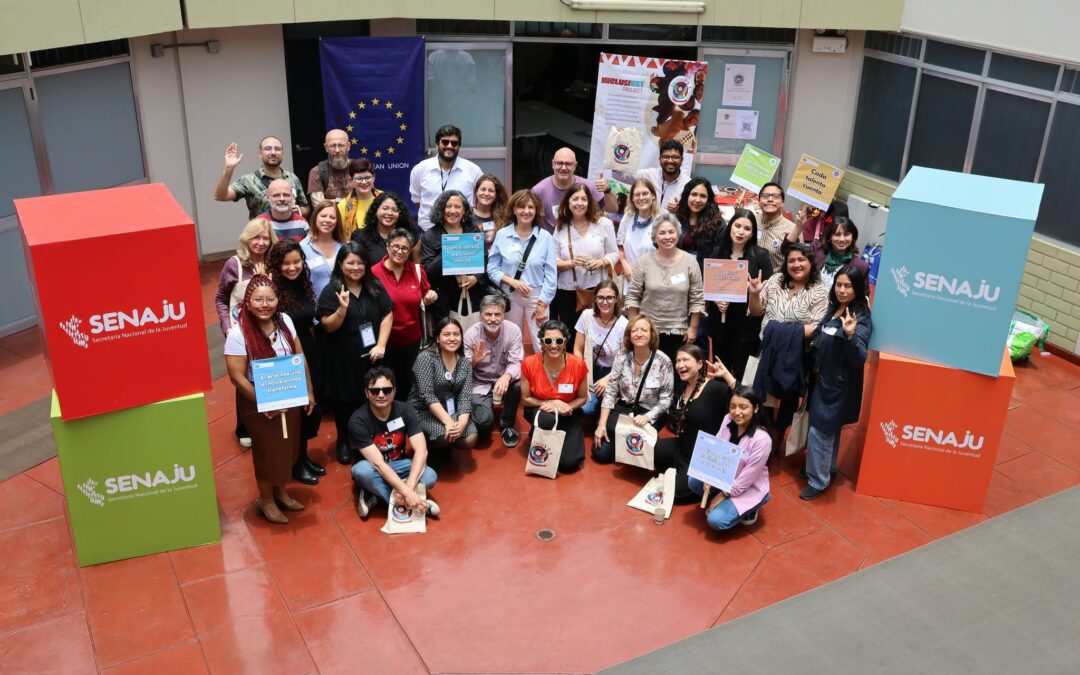
Lima, Peru recently hosted the international training course “Getting to Know the InclusiVET Curriculum,” bringing together educators, trainers, and project partners from across Europe and Latin America. Over five intensive days, participants explored innovative approaches to inclusive vocational education, exchanged experiences, and strengthened their capacity to create learning environments where people with disabilities can fully participate and thrive.
Day 1 – Building the Foundations of Inclusive Education
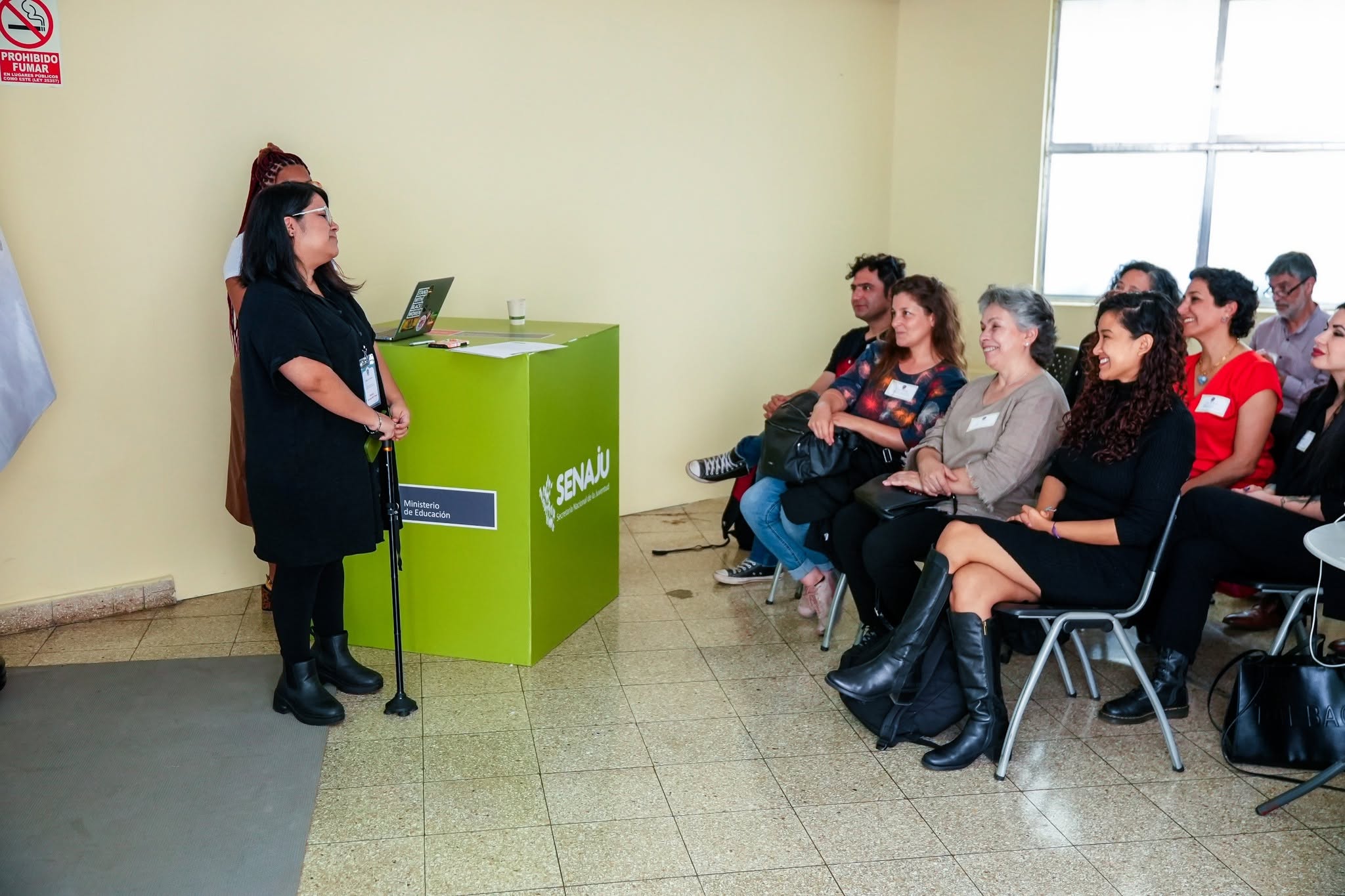
The training began at the National Youth Secretariat, where participants were welcomed by representatives of the institution. The opening sessions focused on the cultural, educational, and labor rights of people with disabilities and highlighted the importance of adopting an intersectional approach in teaching.
The discussions emphasized that inclusive education goes beyond accessibility—it requires recognizing diversity, promoting equal opportunities, and ensuring that human rights remain at the center of educational practice.
Day 2 – Creating Inclusive Educational Resources
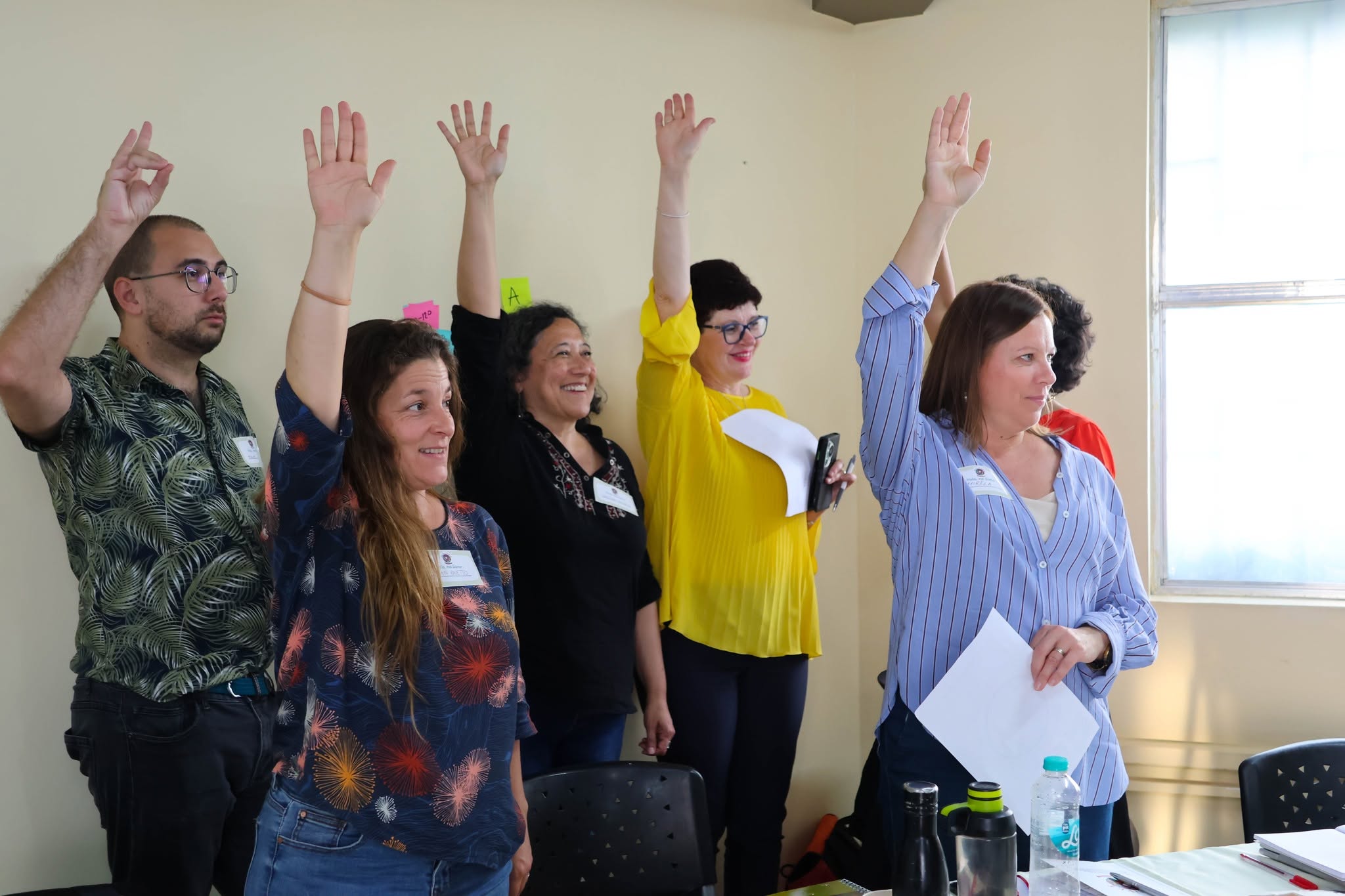
The second day focused on designing educational resources that foster autonomy, participation, and wellbeing for learners with disabilities. Participants reflected on practical teaching strategies that can make vocational education more accessible and inclusive.
Teachers and invited experts shared successful practices from their own contexts, while an inspiring screening of accessible audiovisual productions gave participants the opportunity to hear directly from people with disabilities about their educational experiences. Their testimonies reinforced the importance of placing learners’ voices at the heart of inclusive education.
Day 3 – Learning from Good Practices at CETPRO Alcides Salomón Zorrilla
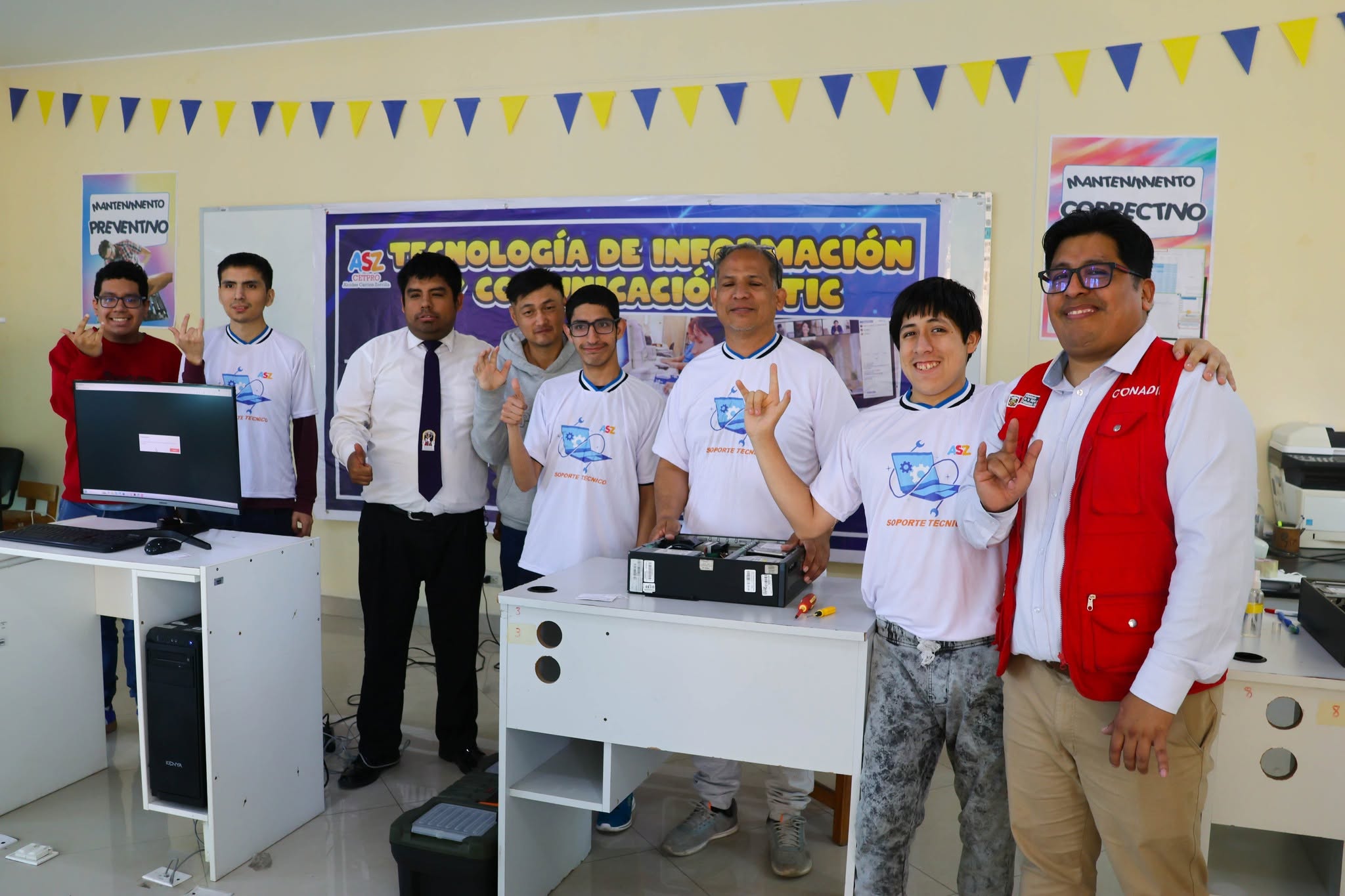
One of the highlights of the training was a visit to CETPRO Alcides Salomón Zorrilla, Peru’s only technical vocational training center dedicated to people with disabilities.
Participants explored the center’s diverse training areas, including gardening, textiles, gastronomy, aesthetics, technology, and digital skills. They also took part in a workshop on technological tools and inclusive marketing, gaining valuable insights into how vocational education can support employment and entrepreneurship.
The day concluded with a visit to La Punta, where participants reflected on the importance of building educational systems that embrace diversity and accessibility.
Day 4 – Employability and Inclusive Entrepreneurship
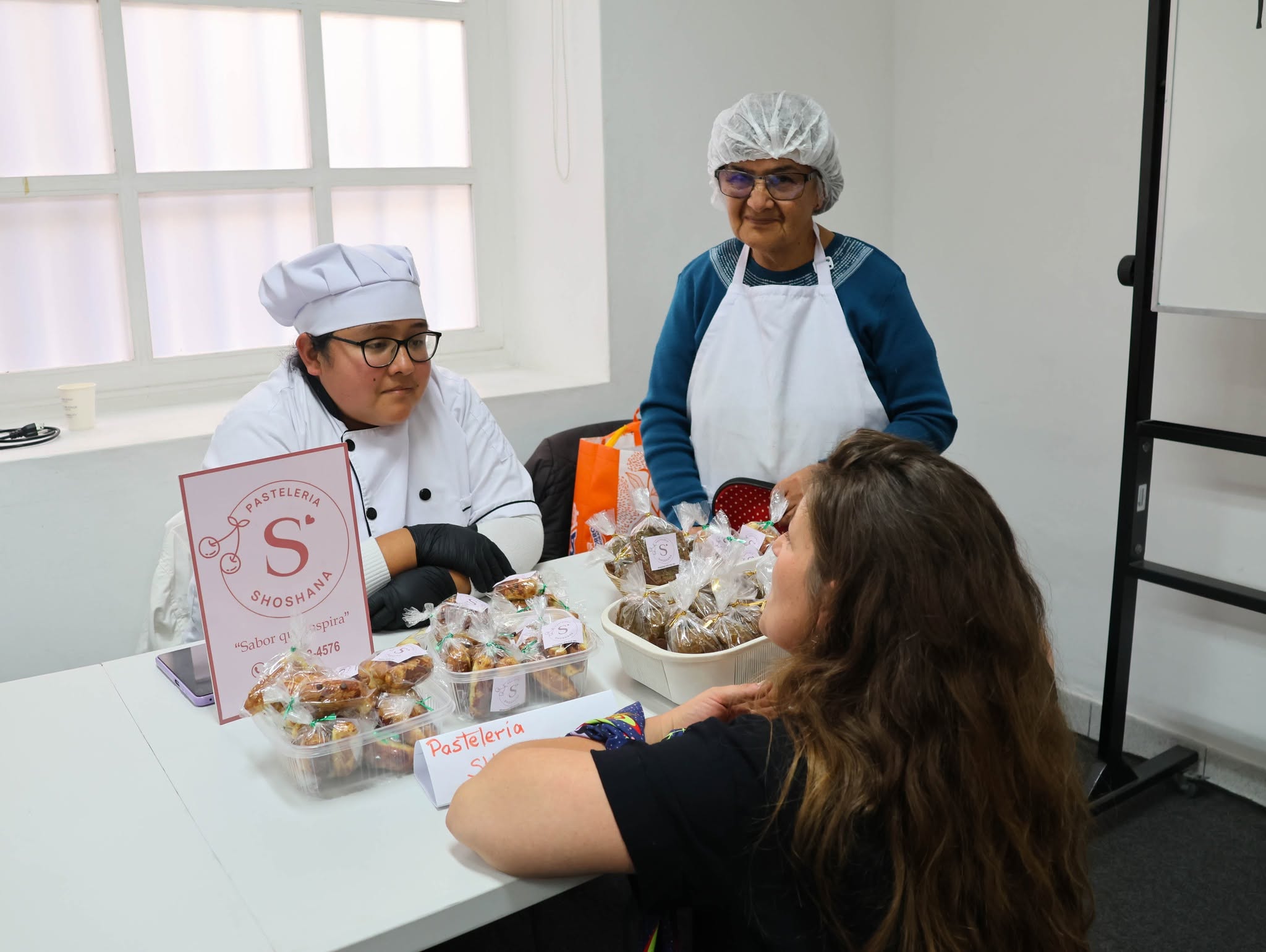
The fourth day was dedicated to employability and entrepreneurship. Sessions held in Miraflores featured entrepreneurs and business owners with disabilities, who shared their professional journeys, successful initiatives, and collaborative projects.
Their experiences demonstrated how inclusive workplaces not only create opportunities for individuals but also contribute to stronger, more innovative communities. The discussions inspired participants to consider new ways of supporting learners in their transition from education to employment.
Day 5 – Presenting Future Interventions
The training concluded with presentations from each national team, showcasing prototype intervention projects that will serve as the foundation for the upcoming pilot implementation of the InclusiVET curriculum in their respective countries.
The closing ceremony celebrated a week of collaboration, learning, and intercultural exchange. Participants enjoyed a musical performance by a Peruvian artist and watched a video highlighting the memorable moments of the training.
Looking Ahead
The “Getting to Know the InclusiVET Curriculum” training represented an important milestone in the InclusiVET project. By combining expert knowledge, practical experiences, and international collaboration, the programme strengthened participants’ capacity to deliver more inclusive vocational education and training.
The knowledge, tools, and project ideas developed during the week will now be implemented and tested during the pilot phase, contributing to the project’s shared vision of creating vocational education systems that are accessible, equitable, and empowering for people with disabilities.